
 Since 2020 as all these buzzwords are floating around and no one knows what they all mean.
In my research, I've concluded that the education world is not in agreement about the use and meaning of the same terms.
In this article, I want to clarify some of the differences, so you can use them correctly next time.
Online learning is similar to e-learning:
The central element is the use of the Internet. So online tools are used for learning. Lectures, assignments, and tests are facilitated by online tools and virtual platforms.
It can include virtual face-to-face interactions such as webinars, online lectures, and virtual meetings.
Virtual learning:
It is primarily outside of a physical institution or building but can also take place within.
It can be used in self-paced learning. Here, students have remote access to content and instructors. And the student can connect and interact with other students and their instructor online.
E-learning:
The main difference with virtual learning is that students have unlimited access to content. The course completion, program, or degree is taught online. Students can only interact with the instructor online.
Distance learning
Is similar to online learning. The main difference is distance. The purpose here is to attract students from all locations and time zones.
Blended Learning:
Blended learning is a combination of online/virtual learning structures and face-to-face instruction.
mLearning:
mLearning is e-learning on mobile devices like smartphones and tablets. It is made for accessing information at the moment. It is best suited for short courses that can be viewed quickly. Learning anytime, anywhere is the order of the day.
Short and bite-sized modules, recommended 3 to 15 minutes long.
Conclusion:
In 2020, the world had to adapt to remote access of learning and communication tools from one day to the next. This exposed the lack of structures, platforms, and the inability of users.
Fortunately, systems and tools were created, and educators and teachers quickly adapted. Today, we have tools and knowledge that are far better than they were two years ago.
The prevailing education system that is training the new generations of smart people, workers, employees, and entrepreneurs is based on systems that were largely created around 1900.
Now it's up to businesses, organizations, and users to keep up with these innovations and adapt faster than the aging education system.
As several studies show, the more motivated an employee is, the more he or she produces in less time.
It's high time for users, students, and participants to learn better to be better and, in turn, make the world a better place.
We all know that in today's world, speed and adaptability are key.
Let's start creating an environment where people can learn and grow on their own terms and at their own speed!
Discover how you can tap into a 250 billion knowledge-based industry that is forecast to grow 21% over the next four years.
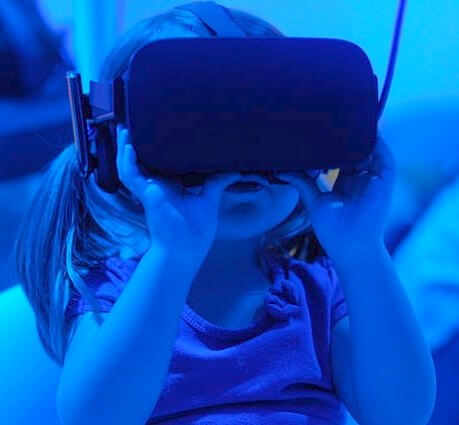
Photo by Giu Vicente on Unsplash